Short-term rentals have become a popular option for both travelers seeking unique accommodations and homeowners looking to earn extra income. However, in New York State, navigating the regulatory landscape surrounding short-term rentals can be complex. Understanding these short-term rental regulations is crucial for hosts to avoid fines and legal complications.
New York Rental Regulations Framework:
In New York State, strict regulations govern short-term rentals to curb illegal hotel operations and maintain affordable housing options. Renting out an entire apartment for less than 30 days is prohibited unless the host is present during the stay. This rule applies to buildings with three or more units. However, one- or two-family homes can be rented out for any duration, provided they comply with local zoning and safety codes.
In New York City, additional restrictions apply. Renting out a room for less than 30 days is only permissible if the host is present, with a limit of two guests. Moreover, hosts cannot rent out more than two rooms simultaneously or accommodate more than four guests in total. These regulations extend to all housing types, including co-ops, condos, and public housing.
Rental Regulations Compliance Measures:
Hosts in New York City intending to use platforms like Airbnb must adhere to stringent requirements. This includes registering their property with the city’s Office of Special Enforcement (OSE) and obtaining various certifications such as a certificate of occupancy, fire safety plan, and smoke detector certificate. Additionally, hosts must prominently display their registration number on listings and furnish it to guests upon arrival. Maintaining meticulous records of guest information and rental transactions is also mandatory, subject to inspection by regulatory authorities.
Consequences of Non-Compliance:
Failure to comply with state or city regulations can lead to severe penalties, including fines and legal repercussions. Furthermore, hosts risk adverse actions from landlords, building managers, or homeowners associations if short-term rentals violate lease agreements or bylaws. Airbnb disclaims responsibility for legal compliance, placing the onus squarely on hosts to navigate the regulatory landscape independently.
PrivateBnB: Discreet Booking Solutions
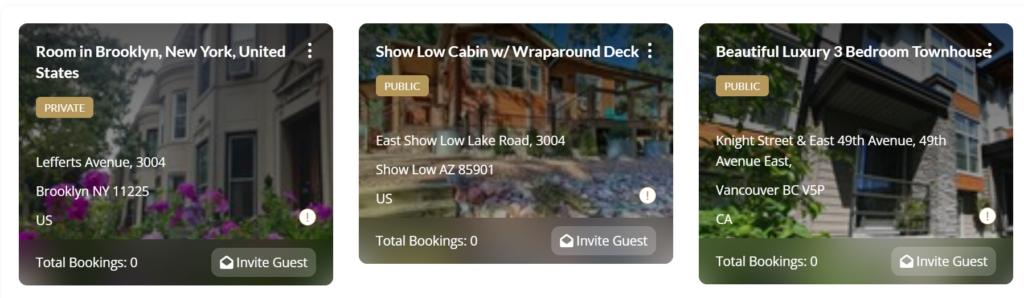
PrivateBnB offers an innovative solution for hosts seeking discreet booking options. By creating private listings visible only to selected guests, PrivateBnB ensures confidentiality and privacy. These listings remain undisclosed on public platforms, safeguarding hosts’ privacy and circumventing regulatory scrutiny. Additionally, hosts receive personalized website links, shareable exclusively with intended guests, facilitating seamless booking processes without public exposure.
In conclusion, understanding and adhering to short-term rental regulations is imperative for hosts in New York State, particularly in New York City, where strict enforcement measures are in place. Platforms like PrivateBnB provide hosts with discreet booking solutions, offering peace of mind and compliance assurance in an evolving regulatory landscape. By embracing innovative platforms and staying abreast of legal requirements, hosts can navigate the complexities of short-term rentals while maximizing their earning potential.
When it comes to hospitality, building and maintaining strong relationships with guests is vital to your rental property’s success. With the rise of online booking platforms and the growing expectations of travelers, delivering exceptional guest experiences is no longer just a competitive advantage – it’s a necessity. Enter the Guest Relationship Manager (GRM), a powerful tool that has revolutionized the way rental property owners engage with their guests and enhance guest loyalty.
At its core, a Guest Relationship Manager is a comprehensive software solution designed to streamline and optimize guest interactions throughout their entire journey, from booking to post-stay follow-up. By leveraging advanced technology and automation, GRMs empower rental property owners to provide personalized experiences, build lasting relationships, and ultimately drive guest loyalty. Let’s delve deeper into how GRMs work and the myriad ways they can improve the performance of rental property owners.
1. Automated Communication
One of the key features of GRMs is automated communication. Through pre-configured templates and triggers, rental property owners can seamlessly engage with guests at every touchpoint, including booking confirmations, pre-arrival instructions, and post-stay feedback requests. By automating routine communications, property owners can save time, reduce manual errors, and ensure consistent messaging, thereby enhancing the overall guest experience.
2. Personalized Guest Engagement
GRMs enable rental property owners to deliver personalized experiences tailored to the preferences and needs of each guest. By capturing and analyzing guest data, including past bookings, preferences, and feedback, GRMs allow property owners to anticipate guest needs and customize their offerings accordingly. Whether it’s recommending local attractions, providing special amenities, or offering exclusive discounts, personalized engagement fosters a sense of value and belonging, driving guest satisfaction and loyalty.
3.Efficient Property Management
Beyond guest interactions, GRMs offer robust tools for property management and operations. From managing bookings and reservations to coordinating maintenance and housekeeping tasks, GRMs streamline administrative workflows and optimize resource allocation. By centralizing property management processes within a single platform, rental property owners can improve efficiency, minimize errors, and ensure seamless operations, ultimately enhancing the overall guest experience.
4. Enhanced Marketing and Direct Bookings
GRMs offer robust marketing capabilities, allowing rental property owners to promote their properties and attract guests directly. By leveraging integrated booking engines, website builders, and marketing automation tools, property owners can create compelling listings, target specific guest segments, and drive direct bookings. By reducing reliance on third-party booking platforms and commissions, GRMs enable property owners to maximize their revenue, improve profitability, and maintain full control over their business.
5.Enhanced Guest Experience
GRMs play a crucial role in enhancing the overall guest experience by enabling rental property owners to provide personalized service and anticipate guest needs. Through features like automated messaging, tailored recommendations, and seamless check-in/out processes, GRMs ensure that guests feel valued and well-cared for throughout their stay. By prioritizing guest satisfaction and delivering exceptional experiences, property owners can foster positive guest relationships and earn glowing reviews, ultimately boosting their reputation and attracting more bookings.
Conclusion
In today’s dynamic hospitality industry, the Guest Relationship Manager (GRM) stands out as a pivotal tool for rental property owners striving to cultivate guest loyalty and drive business growth. With its array of features and functionalities, a GRM empowers property owners to automate communication, personalize guest engagement, streamline property management, and optimize marketing efforts. However, amidst the plethora of options available, one solution stands out: PrivateBnB. With PrivateBnB, rental property owners gain access to a comprehensive Guest Relationship Manager that takes care of communication with guests and simplifies the entire booking process for both hosts and guests. From automated messaging to personalized recommendations, PrivateBnB’s GRM ensures a seamless and memorable guest experience, ultimately leading to increased satisfaction, loyalty, and revenue. In a competitive marketplace where guest loyalty is paramount, PrivateBnB’s GRM is the key to unlocking success for rental property owners.
Welcome to the exciting world of vacation rentals! As a property owner, you understand the importance of making your guests feel right at home. One of the most effective ways to achieve this is through a well-crafted welcome book. A welcome book is more than just a guide; it’s a personal touch that sets you apart from the rest. In this comprehensive guide, we’ll explore how to create a welcome book that not only answers common questions but also provides local insights and builds trust with your guests.
Table of Contents
Now, let’s dive into each step in detail.
1. Why Create a Welcome Book
Enhances Your Guest’s Experience
A welcome book is not just a manual; it’s a tool to enhance the guest experience. It helps guests navigate your property and the local area, making their stay stress-free and enjoyable. By providing essential information upfront, you free guests from encountering snags during their stay, allowing them to focus on enjoying their vacation
Provides Local Insights
One of the reasons many guests book vacation rental properties is to immerse themselves in the location. Your welcome book can be the key to unlocking the best local experiences. Share your favourite restaurants, coffee shops, stores, and hidden gems. Lead your guests to the most delicious slice in town, or teach them how to avoid crowds at a local attraction. Your local insights can turn a good trip into the best trip ever. If you know your guests’ goals for the vacation, you can also provide personalized recommendations.
Establishes Trust
A well-thought-out welcome book shows guests that you care, which is great when forming new relationships, and even better if you’re doing it for people you already know. It also protects their personal space and privacy by providing valuable information without requiring personal interaction, so both of you can rest assured you’re both having a great time with minimal effort spent during the stay. Building trust through a welcome book can lead to great reviews, repeat bookings, and word-of-mouth referrals.
2. Essential Components of a Welcome Book
To build your basic welcome book, you’ll want to include the following:
Welcome note
Helpful local contacts
Properties policies
How to instructions
About the accommodation
Optional: recommendations on local eateries, tourist attractions, transportation
Start your welcome book with a friendly note to personally welcome guests to your property. This is your chance to separate yourself from a hotel and reinforce their decision to stay with you. A personal touch goes a long way in making guests feel special.
Example of Welcome Note
Hey [Guest’s Name],
Welcome to our little slice of paradise in [Location]! We’re super excited you picked our place for your getaway. Whether you’re here to kick back and relax or explore every nook and cranny, we’ve got you covered.
Inside this welcome book, you’ll find all the need-to-know stuff about the house, plus some of our top-secret local favourites. Trust us, you won’t want to miss out on [specific local attraction or experience] – it’s a game-changer!
If you need anything at all, just give us a shout. Our contact info is in the book, and we’re always around to lend a hand.
Enjoy your stay, and make yourself right at home. Can’t wait to hear about your adventures!
Cheers, [Your First Name]
P.S. If you’re a coffee lover, be sure to check out [local coffee shop]. It’s our daily go-to, and we think you’ll love it too!
Include Contact Information of Helpful Local Contacts
Include at least one name, telephone number, and email for a local contact near your property. Also, provide contact details for emergency resources like the nearest medical clinic, fire department, and police department. If you’ve personally built relationships with local repair, maintenance and cleaning professionals, this is an additional great resource to draw upon.
Include Your Property’s Policies
Clearly outline your property’s policies, including:
Check-in Procedures: Detailed instructions for arrival.
House Rules: Expectations for behaviour, noise levels, and guest responsibilities.
Parking Instructions: Where and how to park, if applicable.
Check-out Procedures: Steps to follow when leaving.
Smoking Policy: Where smoking is or isn’t allowed.
Pet Policy: Guidelines for bringing pets, if allowed.
Trash Disposal and Recycling: Instructions for handling waste.
Consider getting a vacation rental agreement as it clearly outlines the terms and expectations for both the guest and the property owner, ensuring a smooth and legal stay.
Provide How-To Instructions
Provide helpful instructions for various aspects of your property:
Property Access: How to enter and secure the property.
Thermostat: How to control heating and cooling.
Hot Tub, Swimming Pool, Grill/Barbecue: Usage and safety guidelines.
Washer and Dryer, Kitchen Appliances: Operating instructions.
Wi-Fi Access: Network name and password.
TV or DVD Player Remote Control: How to use entertainment systems.
Outdoor Safety & Amenities: Guidelines for using outdoor spaces.
About the Accommodation
Offer an overview of what guests can expect to find in the accommodation:
Inside the Home: Wi-Fi, TV, music system, DVDs or movies, damage/soft breakages.
Outside the Home: Yard, swimming pool, hot tub, grill/barbecue, outdoor safety amenities.
Other Useful Information: Cleaning products, electricity, central heating, air conditioning, parking/garage details, water waste, laundry, valuables, extra amenities.
3. Guide to Local Attractions
Why Include a Guide to Local Attractions?
Personalized Experience: By sharing your favourite spots and hidden gems, you create a personalized experience that resonates with your guests. It’s like having a friend in town who knows all the best places to go.
Enhancing the Guest Experience: A well-curated guide to local attractions helps guests make the most of their stay. Whether it’s a family-friendly park, a romantic restaurant, or a lively entertainment venue, your recommendations can turn a good trip into an unforgettable one.
Building Trust and Loyalty: Providing local insights shows that you care about your guests’ overall experience.
Supporting Local Businesses: By promoting local eateries, shops, and attractions, you’re also supporting the community around you. It’s a win-win for everyone involved.
Types of Attractions You Can Include
Welcome Guide
Historical Sites and Museums
Explain significance, list hours, and note accessibility.
Outdoor Activities and Parks
Include trail difficulty, family-friendly options, and seasonal considerations.
Local Eateries and Cafes
Describe cuisine, price range, and dietary options.
Shopping and Souvenirs
Highlight local products, market days, and bargaining tips.
Family-Friendly Attractions
Suggest age-appropriate attractions, interactive elements, and discounts.
Nightlife and Entertainment
Detail music genres, dress code, and age restrictions.
Wellness and Spa Facilities
List treatments, package deals, and health considerations.
Seasonal Events and Festivals
Provide event dates, ticketing information, and cultural insights.
Creating a guide to local attractions is more than just a nice-to-have feature in your welcome book; it’s a strategic tool that enhances the guest experience and sets you apart from the competition. By offering personalized recommendations and supporting local businesses, you’re not only enriching your guests’ stay but also building a loyal customer base that sees the value in choosing your property time and again.
Local Essentials and Recommendations
Emergency Contacts: No one likes to think about emergencies, but it’s always good to be prepared. Keep these local emergency numbers handy for police, ambulance, and fire departments. And just in case you need a Band-Aid or something more, we’ve listed nearby medical facilities and pharmacies.
Health and Safety Considerations: From flipping the switch on the lights to taking a dip in the hot tub, we want you to enjoy everything safely. We’ve included instructions for electricity, central heating, and air conditioning, along with tips for conserving water and using the laundry facilities. And don’t forget to check out our safety guidelines for outdoor fun like swimming, grilling, and more.
Extra Specials: Now, here’s where things get exciting! Need a midnight snack? We’ve got you covered with nearby late-night convenience stores. Driving from the airport? We’ve marked gas stations on your route. Looking for local deals? Check out our special discounts at attractions and restaurants. And don’t miss our personal favourites – those hidden gems and must-visit spots that we love and think you will too!
4. Transportation Information
Help your guests navigate your area with ease by providing comprehensive transportation information:
Local Transit: Details about buses, trains, or subways, including routes, schedules, and fares.
Taxi & Shuttle Services: Recommend reliable options with contact information.
Car Rentals: Suggest reputable agencies nearby.
Unique Transportation: Explain access to bike-sharing, ferries, or other unique modes.
Airports and Train Stations: Include directions and transportation options.
Parking Instructions: Provide clear instructions if parking is available at your property.
This thoughtful approach eases navigation and shows that you’ve considered all aspects of their stay.
5. Digital Welcome Book VS. Physical Welcome Book
Digital Welcome Books:
Accessibility: Can be sent in advance, allowing guests to plan and familiarize themselves with the information before arrival.
Interactive Features: Include links, videos, or interactive maps to provide a more engaging experience.
Easy Updates: Quick and simple to keep current, allowing for real-time changes and updates.
Environmentally Friendly: No need for printing, making it a more sustainable option.
Customization: Can be tailored to individual guests or groups, providing a more personalized experience.
Physical Welcome Books:
Tangible Connection: Adds a personal touch and can create a more intimate connection with guests.
Handy Reference: Displayed prominently for easy access during the stay, providing a quick reference without needing a device.
Aesthetic Appeal: Can be designed to match the property’s decor and branding, enhancing the overall ambiance.
No Technology Required: Accessible to all guests, regardless of their comfort level with digital devices.
Potential for Guest Interaction: Space for guests to leave notes, recommendations, or feedback for future visitors.
6. Tips and Best Practices
Keep It Simple: Your welcome book should be user-friendly. Use clear language and organize the information in an easy-to-follow format.
Update Regularly: Ensure that the information in your welcome book is current. Regular updates show that you are attentive to details.
Encourage Feedback: Leave space for guests to append their activities or place stickers next to their favorite suggestions. Guest feedback can help you refine your welcome book over time.
Consider Accessibility: If possible, provide your welcome book in multiple languages or formats to accommodate all guests.
Add Visuals: Pictures, maps, and other visual aids can make your welcome book more engaging and easier to understand.
Personalize Recommendations: Share places where you personally enjoy going. Authentic recommendations resonate more with guests.
Conclusion
Creating the perfect welcome book is an essential endeavour in the vacation rental business. It’s more than just a guide; it’s a heartfelt connection that enhances your guests’ experience, providing them with valuable insights and making them feel at home.
From the initial warm welcome to the intricate details of local attractions, transportation, and property instructions, every component serves a purpose.
The key to a successful welcome book lies in its simplicity, authenticity, and regular updates. It’s not just about providing information; it’s about creating a connection and enhancing the overall guest experience.
Happy hosting, and may your welcome book be the starting point of many unforgettable adventures for your guests!
Create an Account Today To simplifying your vacation rentals.
The best part? Our software is crafted to support property owners like you, so we take $0 from your commissions.