Short-term rentals have become a popular option for both travelers seeking unique accommodations and homeowners looking to earn extra income. However, in New York State, navigating the regulatory landscape surrounding short-term rentals can be complex. Understanding these short-term rental regulations is crucial for hosts to avoid fines and legal complications.
New York Rental Regulations Framework:
In New York State, strict regulations govern short-term rentals to curb illegal hotel operations and maintain affordable housing options. Renting out an entire apartment for less than 30 days is prohibited unless the host is present during the stay. This rule applies to buildings with three or more units. However, one- or two-family homes can be rented out for any duration, provided they comply with local zoning and safety codes.
In New York City, additional restrictions apply. Renting out a room for less than 30 days is only permissible if the host is present, with a limit of two guests. Moreover, hosts cannot rent out more than two rooms simultaneously or accommodate more than four guests in total. These regulations extend to all housing types, including co-ops, condos, and public housing.
Rental Regulations Compliance Measures:

Hosts in New York City intending to use platforms like Airbnb must adhere to stringent requirements. This includes registering their property with the city’s Office of Special Enforcement (OSE) and obtaining various certifications such as a certificate of occupancy, fire safety plan, and smoke detector certificate. Additionally, hosts must prominently display their registration number on listings and furnish it to guests upon arrival. Maintaining meticulous records of guest information and rental transactions is also mandatory, subject to inspection by regulatory authorities.
Consequences of Non-Compliance:
Failure to comply with state or city regulations can lead to severe penalties, including fines and legal repercussions. Furthermore, hosts risk adverse actions from landlords, building managers, or homeowners associations if short-term rentals violate lease agreements or bylaws. Airbnb disclaims responsibility for legal compliance, placing the onus squarely on hosts to navigate the regulatory landscape independently.
PrivateBnB: Discreet Booking Solutions
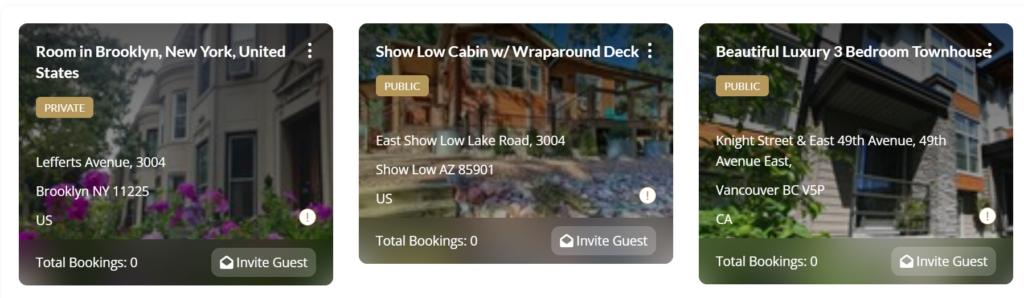
PrivateBnB offers an innovative solution for hosts seeking discreet booking options. By creating private listings visible only to selected guests, PrivateBnB ensures confidentiality and privacy. These listings remain undisclosed on public platforms, safeguarding hosts’ privacy and circumventing regulatory scrutiny. Additionally, hosts receive personalized website links, shareable exclusively with intended guests, facilitating seamless booking processes without public exposure.
In conclusion, understanding and adhering to short-term rental regulations is imperative for hosts in New York State, particularly in New York City, where strict enforcement measures are in place. Platforms like PrivateBnB provide hosts with discreet booking solutions, offering peace of mind and compliance assurance in an evolving regulatory landscape. By embracing innovative platforms and staying abreast of legal requirements, hosts can navigate the complexities of short-term rentals while maximizing their earning potential.