Short-term rentals have become a popular option for both travelers seeking unique accommodations and homeowners looking to earn extra income. However, in New York State, navigating the regulatory landscape surrounding short-term rentals can be complex. Understanding these short-term rental regulations is crucial for hosts to avoid fines and legal complications.
New York Rental Regulations Framework:
In New York State, strict regulations govern short-term rentals to curb illegal hotel operations and maintain affordable housing options. Renting out an entire apartment for less than 30 days is prohibited unless the host is present during the stay. This rule applies to buildings with three or more units. However, one- or two-family homes can be rented out for any duration, provided they comply with local zoning and safety codes.
In New York City, additional restrictions apply. Renting out a room for less than 30 days is only permissible if the host is present, with a limit of two guests. Moreover, hosts cannot rent out more than two rooms simultaneously or accommodate more than four guests in total. These regulations extend to all housing types, including co-ops, condos, and public housing.
Rental Regulations Compliance Measures:
Hosts in New York City intending to use platforms like Airbnb must adhere to stringent requirements. This includes registering their property with the city’s Office of Special Enforcement (OSE) and obtaining various certifications such as a certificate of occupancy, fire safety plan, and smoke detector certificate. Additionally, hosts must prominently display their registration number on listings and furnish it to guests upon arrival. Maintaining meticulous records of guest information and rental transactions is also mandatory, subject to inspection by regulatory authorities.
Consequences of Non-Compliance:
Failure to comply with state or city regulations can lead to severe penalties, including fines and legal repercussions. Furthermore, hosts risk adverse actions from landlords, building managers, or homeowners associations if short-term rentals violate lease agreements or bylaws. Airbnb disclaims responsibility for legal compliance, placing the onus squarely on hosts to navigate the regulatory landscape independently.
PrivateBnB: Discreet Booking Solutions
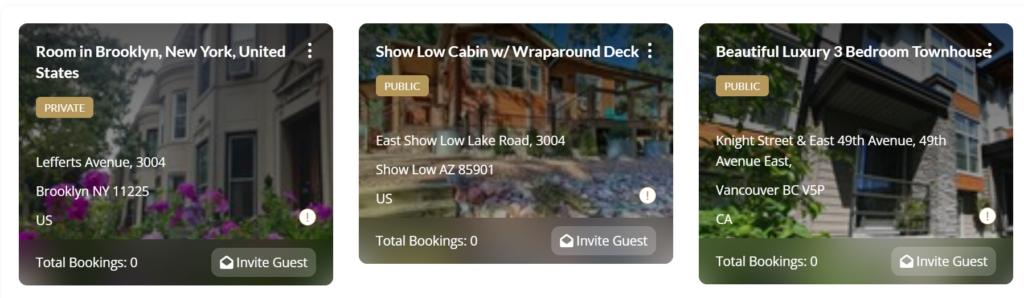
PrivateBnB offers an innovative solution for hosts seeking discreet booking options. By creating private listings visible only to selected guests, PrivateBnB ensures confidentiality and privacy. These listings remain undisclosed on public platforms, safeguarding hosts’ privacy and circumventing regulatory scrutiny. Additionally, hosts receive personalized website links, shareable exclusively with intended guests, facilitating seamless booking processes without public exposure.
In conclusion, understanding and adhering to short-term rental regulations is imperative for hosts in New York State, particularly in New York City, where strict enforcement measures are in place. Platforms like PrivateBnB provide hosts with discreet booking solutions, offering peace of mind and compliance assurance in an evolving regulatory landscape. By embracing innovative platforms and staying abreast of legal requirements, hosts can navigate the complexities of short-term rentals while maximizing their earning potential.
When it comes to hospitality, building and maintaining strong relationships with guests is vital to your rental property’s success. With the rise of online booking platforms and the growing expectations of travelers, delivering exceptional guest experiences is no longer just a competitive advantage – it’s a necessity. Enter the Guest Relationship Manager (GRM), a powerful tool that has revolutionized the way rental property owners engage with their guests and enhance guest loyalty.
At its core, a Guest Relationship Manager is a comprehensive software solution designed to streamline and optimize guest interactions throughout their entire journey, from booking to post-stay follow-up. By leveraging advanced technology and automation, GRMs empower rental property owners to provide personalized experiences, build lasting relationships, and ultimately drive guest loyalty. Let’s delve deeper into how GRMs work and the myriad ways they can improve the performance of rental property owners.
1. Automated Communication
One of the key features of GRMs is automated communication. Through pre-configured templates and triggers, rental property owners can seamlessly engage with guests at every touchpoint, including booking confirmations, pre-arrival instructions, and post-stay feedback requests. By automating routine communications, property owners can save time, reduce manual errors, and ensure consistent messaging, thereby enhancing the overall guest experience.
2. Personalized Guest Engagement
GRMs enable rental property owners to deliver personalized experiences tailored to the preferences and needs of each guest. By capturing and analyzing guest data, including past bookings, preferences, and feedback, GRMs allow property owners to anticipate guest needs and customize their offerings accordingly. Whether it’s recommending local attractions, providing special amenities, or offering exclusive discounts, personalized engagement fosters a sense of value and belonging, driving guest satisfaction and loyalty.
3.Efficient Property Management
Beyond guest interactions, GRMs offer robust tools for property management and operations. From managing bookings and reservations to coordinating maintenance and housekeeping tasks, GRMs streamline administrative workflows and optimize resource allocation. By centralizing property management processes within a single platform, rental property owners can improve efficiency, minimize errors, and ensure seamless operations, ultimately enhancing the overall guest experience.
4. Enhanced Marketing and Direct Bookings
GRMs offer robust marketing capabilities, allowing rental property owners to promote their properties and attract guests directly. By leveraging integrated booking engines, website builders, and marketing automation tools, property owners can create compelling listings, target specific guest segments, and drive direct bookings. By reducing reliance on third-party booking platforms and commissions, GRMs enable property owners to maximize their revenue, improve profitability, and maintain full control over their business.
5.Enhanced Guest Experience
GRMs play a crucial role in enhancing the overall guest experience by enabling rental property owners to provide personalized service and anticipate guest needs. Through features like automated messaging, tailored recommendations, and seamless check-in/out processes, GRMs ensure that guests feel valued and well-cared for throughout their stay. By prioritizing guest satisfaction and delivering exceptional experiences, property owners can foster positive guest relationships and earn glowing reviews, ultimately boosting their reputation and attracting more bookings.
Conclusion
In today’s dynamic hospitality industry, the Guest Relationship Manager (GRM) stands out as a pivotal tool for rental property owners striving to cultivate guest loyalty and drive business growth. With its array of features and functionalities, a GRM empowers property owners to automate communication, personalize guest engagement, streamline property management, and optimize marketing efforts. However, amidst the plethora of options available, one solution stands out: PrivateBnB. With PrivateBnB, rental property owners gain access to a comprehensive Guest Relationship Manager that takes care of communication with guests and simplifies the entire booking process for both hosts and guests. From automated messaging to personalized recommendations, PrivateBnB’s GRM ensures a seamless and memorable guest experience, ultimately leading to increased satisfaction, loyalty, and revenue. In a competitive marketplace where guest loyalty is paramount, PrivateBnB’s GRM is the key to unlocking success for rental property owners.
So, you’ve got a vacation home, and you’re thinking about having guests? You’re in the right place! Why not take advantage of your vacation property while you’re not using it and make some extra change.
However, it’s essential to understand the ins and outs before diving in. In this comprehensive guide, we’ll walk you through the essential steps to start your own vacation rental. From understanding the legalities to preparing your property and finding the right platform, we’ve got you covered.
1. Navigating the Legalities: Get Short Term Vacation Rental Agreement
Before embarking on your vacation rental journey, it’s crucial to understand the legal requirements involved. Consult with a legal expert to ensure compliance with local laws and regulations. One key document you’ll need is a short term rental agreement.
This agreement outlines the terms and conditions of the rental, protecting both you and your guests. We at PrivateBnB have a vacation home rental agreement template that you can tailor to fit your house rules.
2. Preparing Your Property
If you take care of your property, your guests are likely to treat it well. Start by cleaning and maintaining your vacation home. Don’t have time? Consider hiring professional cleaning services for regular maintenance.
Furnish the property with comfortable and functional items that meet the needs and expectations of potential guests. Remember, a well-prepared property will enhance the overall guest experience and encourage repeat bookings.
3. Choosing the Right Property Management Platform
Selecting the right platform to list your property is vital. Here’s a comparison of popular vacation rental management companies, including PrivateBnB, which offers unique features tailored to property owners. When selecting a vacation rental platform, choose one that suits your needs. Avoid platforms with expensive features that you don’t require, especially if you’re new to renting out your property, in order to save costs.
Website
Fees
Upfront Costs
Who It’s For
Unique Features
Best for
PrivateBnB
CAD 25-35/month
$0
Individual property owners, home sharers, flexible living arrangements, homeowners
Finding the right guests is essential for avoiding expensive problems. Your immediate circle, such as friends and family, make great initial guests.
If you’re looking for more guests, explore niche communities and join social private groups that align with your property’s appeal. Engage with potential guests, ask questions about their needs, and ensure that their expectations align with your property’s vibe. By taking the time to vet your guests, you can create a positive guest experience and minimize potential issues.
5. Setting Up Payments
Automated secure payments are a must in property management. Integrated with trusted gateways like Stripe or PayPal, they elevate vacation rentals. It’s about trust and convenience. Robust encryption ensures guest confidence.
Automation eliminates manual tasks, saving time and refining operations. Smoother payments enhance guest experience, driving positive reviews and repeat bookings.
Automated secure payments are essential for credibility and growth. When choosing property management software, prioritize secure, streamlined payments. In the vacation rental world, this choice defines excellence.
6. Growing Your Guestbook
Strong relationships with your guests are central to your vacation rental’s long-term success. Here’s how you can build and foster those connections:
Contact friends and family with your listing. This is the easiest, safest way to start.
Encourage feedback and reviews: Invite guests to share feedback and post reviews on your social platforms. Their insights provide great evidence of the amazing aspects of your property.
Implement a Referral Program: Consider asking guests to refer your property to friends and family they trust. These personal recommendations are often the most genuine form of advertising and can expand your guest list organically.
Search for niche groups on Facebook: look for qualified, quiet individuals looking for a getaway. A good example is fishing enthusiast groups looking for a cabin near a lake. Choose your words carefully to prevent the group from throwing you out for advertising.
Personalize the Guest Experience: Add personalized touches or thoughtful gifts to make each stay special. This not only cultivates a hospitable environment but also encourages a feeling of the community surrounding your property.
Provide Exceptional Service: By going the extra mile, you’ll foster lasting loyalty, secure repeat bookings, and attract new guests through positive word-of-mouth.
Remember, these initial relationships are your immediate circle, so more than transactional; they’re an opportunity to create a community of trust, which equals repeat bookings.
7. Marketing Your Vacation Rental
If you want to grow your bookings, your marketing strategy is essential. Create an attractive description for your vacation rental that showcases its special qualities and advantages. To get great results, consider using platforms like PrivateBnB, which is equipped with an AI-assisted listing description setup.
Utilize professional photography to showcase your property’s best attributes, and don’t forget to incorporate guest reviews into your listing, as they play a crucial role in building trust and credibility. Leverage the power of social media, online travel agencies, and your vacation rental website to reach a wider audience.
Efficiently managing your vacation rental is key to ensuring a smooth operation. Good property management needs cleaning, repairs, and maintenance. Utilize vacation rental management software that will help streamline operations, automate communications, and manage bookings effectively. By staying organized and utilizing technology, you can save time and provide a seamless experience for both you and your guests.
9. Maximizing Your Profits
To maximize your revenue, it’s important to continuously analyze and optimize your business. Monitor market trends and adjust your pricing strategy accordingly. Consider implementing dynamic pricing to maximize revenue during peak seasons and minimize vacancies during slower periods. Regularly evaluate your expenses to identify cost-saving opportunities, such as including pet and cleaning fees in your listings. You can also explore partnerships with local businesses to offer exclusive discounts or packages to your guests.
Conclusion
Opening up your vacation home for rentals can be a rewarding experience. By understanding preparing your property, choosing the right platform, and implementing effective marketing and management strategies, you can create a successful vacation rental business that provides exceptional experiences for your guests.
Remember, it’s all about creating a welcoming and memorable home-away-from-home for your guests, and with the right approach, you can turn your vacation property into a thriving business.